Wandsworth council garden waste rules for garden maintenance
Posted on 26/10/2026
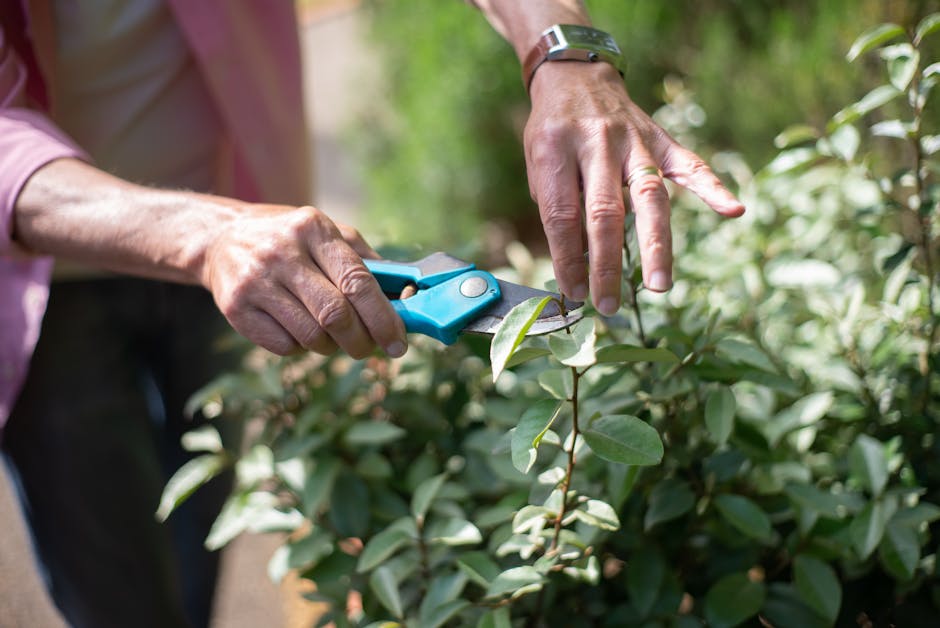
Wandsworth council garden waste rules for garden maintenance: a practical guide for tidy, compliant outdoor spaces
If you maintain a garden in Wandsworth, the way you deal with cuttings, soil, hedge trimmings, and general green waste matters more than most people realise. The rules affect how clean your property stays, how smoothly maintenance runs, and whether you avoid awkward bins-on-the-pavement moments that nobody enjoys. This guide to Wandsworth council garden waste rules for garden maintenance breaks everything down in plain English: what usually counts as garden waste, how to sort it, what to avoid putting in with it, and how to keep your routine efficient without making extra work for yourself.
To be fair, a lot of garden maintenance problems start with something simple: the wrong material in the wrong container. One damp bag of mixed waste can turn a neat tidy-up into a smelly, messy job. The good news? Once you understand the basics, staying on the right side of local waste expectations becomes second nature.
Why Wandsworth council garden waste rules for garden maintenance Matters
Garden maintenance is not just about mowing, pruning, and making borders look sharp. It also includes what happens after the work is done. In a borough like Wandsworth, waste handling sits right at the centre of a good maintenance routine because green waste can pile up quickly after a cutback, seasonal tidy, or full refresh.
If you ignore the rules, you risk a few very ordinary but annoying outcomes: bins not being collected, garden waste lingering on site, or having to re-sort everything later. None of that is dramatic. But it eats time, and in a busy week it can throw off the whole schedule.
There is also the practical side. When waste is separated properly, compostable material can often be managed more cleanly, and bulky clearance becomes easier. That matters whether you are doing your own garden or booking regular help. A maintenance visit should leave the space looking lighter, not like a second job waiting in the corner.
In our experience, people usually only think about garden waste rules after a hedge trim or an overgrown border tidy-up. That is exactly when the rules matter most. Fresh cuttings look harmless in a heap, then suddenly you are dealing with bags, moisture, ants, and a wheelie bin that seems smaller than it did on Monday morning.
For wider garden planning, it also helps to think ahead. If you are shaping privacy planting, renovating borders, or reworking a tricky patch, articles like fast-growing hedge ideas and ground cover picks for UK gardens can help you choose plants that are easier to maintain and generate waste in a more manageable way.
How Wandsworth council garden waste rules for garden maintenance Works
The exact collection arrangements can change, so it is always wise to check current local guidance before putting anything out. That said, the basic structure is familiar across many London boroughs. Garden waste is usually treated separately from household rubbish, and collections or disposal routes depend on how the material is presented and what it contains.
As a rule of thumb, council green waste systems are intended for organic garden material only. That means things like grass cuttings, leaves, small twigs, hedge trimmings, weeds, and other plant matter. Mixed waste is where things go sideways. Add plastic ties, stones, soil in large quantities, or general household rubbish and the whole load may become unsuitable.
For garden maintenance, this has a few everyday consequences:
- Separate at source: Keep organic waste apart from general rubbish as you work.
- Keep it clean: Remove pots, labels, wire, plastic, and other non-organic items.
- Manage volume: Big jobs may need staged disposal rather than one giant pile.
- Think about moisture: Wet grass and soggy leaves get heavy fast, which makes handling harder.
Many homeowners and tenants discover that the timing of collection matters as much as the sorting. If your gardening day lands just after a collection, you may need to store waste briefly, which is where neat bundling and breathable containers can help. A tidy temporary setup saves a lot of headaches. Not glamorous, but useful.
If your maintenance involves more than basic tidying, it can help to plan the whole sequence. For example, hedge trimming, weed removal, and lawn work are best grouped together so the waste output is handled in one pass. For more on those tasks, you might find hedge-trimming techniques and practical weed control advice genuinely useful.
What usually counts as garden waste
Common garden waste includes grass, leaves, prunings, dead plants, clippings, small branches, and other green matter. In many households, that is the bulk of the material produced after routine maintenance.
Less obvious items can be tricky. For instance, a bit of turf from edging, a clump of soil from replanting, or ivy pulled from a wall may or may not be appropriate depending on quantity and collection rules. If you are not sure, stop and separate it before it gets mixed in. That pause is worth it.
What usually should not go in
Mixed garden waste is the main issue. Try not to include:
- plastic plant pots or packaging
- garden tools or broken equipment
- household rubbish
- large stones, rubble, or hardcore
- soil in quantities outside the accepted route
- treated timber or fencing offcuts
If a job includes hard landscaping or wood removal, it starts to move beyond simple green waste. In those situations, a broader maintenance plan is often better than trying to force everything into the same disposal method.
Key Benefits and Practical Advantages
Following the local approach to garden waste is not just about avoiding problems. Done well, it makes the entire maintenance routine smoother. And yes, a bit of structure really does save time, even if it feels fiddly at first.
| Benefit | What it means in practice | Why it helps |
|---|---|---|
| Cleaner collection | Green waste stays separate and ready | Less sorting, fewer rejected loads |
| Better garden hygiene | Less debris left around paths and beds | Reduces mess, pests, and slippery areas |
| More efficient maintenance | Tasks are grouped and managed in order | Less wasted labour and repeat work |
| Improved planning | You know what to keep, compost, or remove | Supports a steadier maintenance rhythm |
| Lower stress | Fewer last-minute bin or disposal issues | Helps households and gardeners stay organised |
A big hidden benefit is that good waste sorting encourages better gardening habits overall. Once people start separating cuttings from other materials, they often notice what is actually going into the garden in the first place. That can lead to more thoughtful planting, less clutter, and a tidier outdoor space over time.
It also helps with sustainability. Green waste is organic by nature, so treating it as a separate stream makes sense. A lot of gardeners like to turn suitable waste into compost, especially after regular trimming. If that interests you, turning garden waste into nourishing soil is a helpful next read. For smaller spaces, container gardening can also reduce the amount of loose debris you have to manage.
Who This Is For and When It Makes Sense
This topic matters to a surprisingly wide group of people. If you own a home with a garden, rent a property with outdoor space, manage a small front garden, or maintain a larger planted area for a landlord or client, the rules around garden waste will touch you sooner or later.
It especially makes sense if you are:
- doing routine lawn care and hedge trimming
- clearing borders after seasonal growth
- preparing a garden for sale, letting, or a special event
- managing regular maintenance for an older or overgrown garden
- booked for one-off clearance after a long spell of neglect
If you are a do-it-yourself gardener, you will probably deal with the waste directly. If you hire help, your gardener should still know how to separate and present it properly. That is one reason professional services are often worth it. They do not just cut and clear; they should understand the flow of the work and the disposal side too.
Some gardens create very predictable waste. A neat lawn produces mowing clippings. A privacy hedge produces seasonal cuttings. A wildlife-friendly plot might produce more leaf litter and dead stems. The exact approach varies, but the principle stays the same: know what you generate, then plan for it.
Step-by-Step Guidance
If you want a tidy system rather than a weekly scramble, use this simple process.
- Walk the garden first. Before cutting anything, look for piles of leaves, fallen branches, weeds, and anything non-organic mixed into borders.
- Separate the tasks. Mow, prune, weed, and edge in an order that keeps waste easy to collect. Most jobs become less chaotic when you do not bounce between them.
- Collect green waste as you go. Use a trug, sack, or sturdy container so material does not spread across paths and patios.
- Remove contaminants. Pull out twine, labels, pots, old ties, and bits of packaging before waste is bagged.
- Decide on the disposal route. Use the council route, compost it, or arrange another appropriate collection method if the job is larger.
- Keep heavy material separate. Soil, stones, and larger woody items should be treated differently from soft green waste.
- Finish with a sweep-through. Do one last pass for stray clippings, because they always seem to hide near the edges. Always.
That last sweep matters more than people think. A garden can look finished, then you spot half a bucket of hedge confetti under a bench or along a fence line. Small details, big difference.
For bigger maintenance projects, a broader refresh can help you reduce recurring waste. If you are rethinking the layout altogether, initial steps for revamping a garden and elegant garden seating layouts are good companion resources.
Expert Tips for Better Results
After enough garden tidy-ups, a few patterns become obvious. The smoother ones are never accidental.
- Cut less, more often. Light maintenance produces manageable waste and keeps the garden looking calmer.
- Dry grass before bagging if you can. It is lighter, easier to handle, and less likely to go soggy and sour.
- Bundle woody material neatly. Straightforward bundling is easier to store and move than a loose tangle of branches.
- Keep a compost corner if space allows. Suitable waste can be reused rather than endlessly moved.
- Use the right sack size. Overfilled bags split. Underfilled bags waste time. The middle ground is your friend.
- Plan around weather. A damp Sunday morning is not ideal for grass cuttings. You will know the smell when it happens.
One practical tip many people miss: keep a separate mini pile for reusable organic material, such as leaves for mulch or suitable cuttings for composting. That small habit can reduce the amount you actually need to dispose of. It is a tiny win, but it adds up across the season.
If your garden is tight on space, a few smart design choices can reduce the waste burden over time. You might enjoy vertical garden ideas and eco-friendly gardening approaches for a lower-waste setup.
Common Mistakes to Avoid
Most garden waste problems are not dramatic. They are just easy to repeat.
- Mixing green waste with general rubbish. This is the most common issue and the easiest to avoid.
- Leaving roots, stones, or soil in the same load. This can make the waste unsuitable for standard collection routes.
- Overpacking bags. Heavy bags tear, spill, and are miserable to move. No one wants that.
- Waiting too long to clear cuttings. Wet clippings become dense, slippery, and harder to sort.
- Ignoring local timing. If collection days or requirements are missed, the whole process drifts.
- Forgetting about safety. Thorny cuttings, hidden debris, and awkward lifting can all cause avoidable issues.
There is also a mindset mistake: assuming all garden waste is the same. It is not. A bag of soft leaves behaves very differently from a bundle of hedge trimmings, and both are different again from a barrow of soil. Treating them all alike is where people get tripped up.
When a project gets bigger than routine maintenance, it may be time to involve a wider service rather than trying to manage everything yourself. A garden that needs pruning, clearing, shaping, and a bit of structural attention can often benefit from coordinated help. In that case, services such as garden maintenance in Roehampton or tree surgery support may be more practical than a piecemeal approach.
Tools, Resources and Recommendations
You do not need a garage full of kit to manage garden waste well, but a few items make life easier.
- Sturdy garden waste sacks: useful for clippings, leaves, and light trimmings.
- Rake and leaf scoop: ideal for gathering loose material without damaging turf.
- Secateurs and loppers: help reduce branch size before disposal.
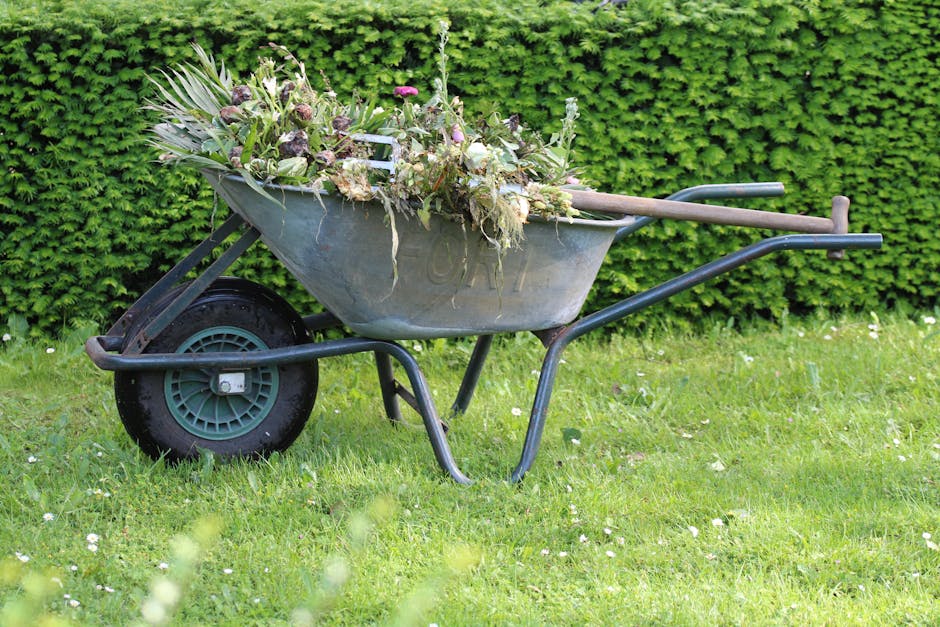
- Wheelbarrow or trug: makes movement cleaner and safer.
- Tarpaulin or sheet: good for dragging waste together from a larger area.
- Gloves and boots: basic, but absolutely worth it.
For compost-friendly material, a simple heap or bin can make a real difference. If you enjoy repurposing things, the article on reusing household items for gardening is a handy way to think more creatively about storage and small-scale garden organisation. It is the sort of practical reading that saves a few pounds and a bit of faff.
There are also some good planning-related reads on the site if you want to make the garden easier to maintain in the first place. For example, beginner gardening tips, gardening essentials, and gardening on a shoestring all support a more manageable routine.
Law, Compliance, Standards and Best Practice
Garden waste handling sits inside a wider framework of local waste expectations, environmental responsibility, and property upkeep. The safest approach is to treat any borough guidance as the final word for presentation, accepted materials, and collection arrangements. Where the rules are not entirely clear, separate and store waste conservatively rather than guessing.
From a practical compliance point of view, the essentials are straightforward:
- do not contaminate green waste with household rubbish
- do not leave waste where it could become a nuisance
- keep paths, boundaries, and shared access points clear
- follow any published collection or presentation instructions
- manage bulky materials through the correct route
Best practice also means thinking about neighbours and shared spaces. In Wandsworth, many gardens sit close together, and a stray pile of clippings or an overloaded bin can affect more than one property. Tidiness is not just aesthetic. It is courteous. And frankly, it avoids awkward conversations over the fence.
If you are employing a gardener, it is sensible to check that their working methods are clear, insured, and safe. That does not mean expecting legal jargon in every sentence; it means being confident that waste, tools, and access are handled responsibly. For service details and working standards, the site's insurance and safety, health and safety policy, and terms and conditions pages are useful background reading.
Options, Methods, or Comparison Table
There is no single best way to deal with garden waste. The right method depends on the size of the garden, how often it is maintained, and how much material you are producing.
| Method | Best for | Pros | Limitations |
|---|---|---|---|
| Council collection route | Routine green waste from regular maintenance | Convenient, local, familiar | Depends on current rules and collection setup |
| Home composting | Leaves, grass, soft plant matter | Low cost, sustainable, useful for soil | Needs space and a bit of patience |
| Staged bagging and storage | Jobs completed between collection dates | Keeps the garden tidy short-term | Can become bulky if left too long |
| Professional clearance | Large, overgrown, or mixed maintenance jobs | Efficient, less physical effort for you | Usually the most costly option |
For many households, a hybrid approach works best. Routine clippings can be composted or collected, while larger maintenance bursts are handed over to a proper clearance or maintenance service. That balance often feels the least stressful, especially during the heavier growing months.
If your outdoor space is part garden, part hard surface, you may also need a broader clean-up plan. On that note, patio cleaning and lawn care are useful companions to regular green waste management because they keep the whole space looking finished rather than half-done.
Case Study or Real-World Example
Imagine a typical small London back garden after a late-summer tidy-up. The hedge needs a light trim, the lawn has been cut, a few weeds have been pulled, and the border has a mix of dead stems and fresh clippings. Nothing dramatic. Just the normal aftermath of a decent maintenance session.
At first, it all sits in one heap. That is where problems begin. The trimmings are mixed with a couple of old plant labels, a broken tie, and some loose soil knocked from a pot. If everything is bagged together, the waste is heavier, messier, and harder to move. It also becomes less obvious what can be composted or collected.
Now compare that with a tidier approach. The hedge clippings are gathered separately, the leaves and soft waste go into one sack, the weeds are kept clear of non-organic debris, and the little bits of rubbish are removed immediately. The result is a cleaner load, quicker finishing time, and far less irritation later in the day. It sounds small, but in practice it changes the whole job.
That is the essence of good garden waste management. Not perfection. Just fewer avoidable complications.
If the garden in question has gone a bit wild, then heavier support may be needed. A local gardener might tackle the waste in phases, then return for a second pass once the bulk has been reduced. If privacy screening or boundary planting is part of the job, the site's guides on hedge trimming and fencing can also help you think through the next stage of maintenance.
Practical Checklist
Use this quick checklist before and after any garden tidy-up.
- Have I separated green waste from general rubbish?
- Have I removed plastic, wire, labels, and plant pots?
- Am I keeping soil, rubble, and woody material separate if needed?
- Do I know where this waste is going next?
- Are bags or containers strong enough for the load?
- Have I planned for collection timing or temporary storage?
- Is the garden safe and clear once the cuttings are removed?
- Have I swept paths, edges, and hidden corners?
- Do I need a compost or reuse plan for any of this material?
- Would this task be easier as part of a broader maintenance visit?
One-line reminder: sort first, bag second, finish with a sweep.
Conclusion
Wandsworth council garden waste rules for garden maintenance are easier to manage once you stop treating waste as an afterthought. Think of it as part of the job, not the annoying bit at the end. When you sort organic material properly, avoid contamination, and plan disposal around the scale of the work, your garden stays tidier and your maintenance routine becomes much less stressful.
For homeowners, tenants, landlords, and anyone keeping an outdoor space in shape, the same principle holds true: a neat garden starts with a neat process. The best-maintained gardens are rarely the most elaborate ones. They are the ones with a rhythm to them. A cut here, a clear-up there, a sensible waste plan in the middle. Simple, really.
If you want to keep things running smoothly, use the guidance above as your baseline, then adapt it to the size and style of your own garden. And if the job starts feeling bigger than a normal tidy-up, there is no shame in getting a hand. Sometimes the smartest move is just getting it done properly.
Get a free quote today and see how much you can save.

Stan, renowned as an expert gardener, stands out as a proficient writer, aiding thousands of customers with their gardening requirements. His focus encompasses various topics related to gardening and landscaping.