Real cost guide for Roehampton gardeners and regular maintenance
Posted on 19/11/2026
If you are trying to budget for garden help in Roehampton, the numbers can feel oddly slippery. One week it looks like a small tidy-up, the next it turns into a full day of cutting back, clearing, lawn care, and a few surprises under the hedge. This Real cost guide for Roehampton gardeners and regular maintenance is here to make that easier. You will get a clear view of what affects cost, how regular maintenance is usually priced, where the value really comes from, and how to avoid paying over the odds for work you did not actually need.
Let's face it: a well-kept garden is easier to enjoy and usually cheaper to maintain than one left to run wild. The trick is knowing what normal upkeep looks like in a local setting, when to book seasonal help, and which jobs are worth handling in a planned way rather than waiting for an emergency. That is where good budgeting starts.
Along the way, we will also point you to useful reads on topics like weed control in thriving gardens, hedge trimming techniques, and turning garden waste into nourishing soil. Those details matter more than people think. A tidy garden is not just about looks; it is about keeping the work manageable and the costs sensible.
Why Real cost guide for Roehampton gardeners and regular maintenance Matters
Garden costs are easy to underestimate because a lot of the work is seasonal, visual, and a bit hidden. You only notice the lawn after a few wet weeks. You only think about the hedge when it starts swallowing the light. And you only realise the patio needs attention when the algae makes it look older than it is.
In Roehampton, that matters for a simple reason: many gardens are compact, established, and full of features that reward regular care. A small front garden with shrubs can become surprisingly expensive if it is left for six months. Likewise, a larger back garden with mature hedges or a patchy lawn may look "fine" at a glance, but it often needs more time than people expect once the job starts. Time, in gardening, is money. Not in a scary way. Just in a practical one.
A realistic cost guide helps you plan maintenance around what actually needs doing, rather than guessing. It also helps you compare quotes properly. A quote for garden maintenance is only useful if you understand whether it includes litter picking, hedge shaping, lawn edging, weed removal, pruning, green waste clearance, or just a very quick tidy. Those details change the price more than most people realise.
There is also a strong value angle. Regular maintenance often prevents larger bills later. For example, periodic hedge work is usually easier than restorative cutting. Early weed control is simpler than battling an overgrown border. A small amount of ongoing care can reduce the need for bigger jobs like fencing repairs, tree work, or complete garden reshaping.
And if you are thinking ahead, regular upkeep supports better planting choices too. Ground cover, evergreen climbers, and privacy hedges can cut down on bare soil, reduce weed pressure, and make the garden easier to manage over time. You can explore ideas like ground cover picks for UK gardens and fast-growing hedges for privacy if you want the garden itself to do a little of the work for you. Clever planting. Good maintenance. That is the balance.
How Real cost guide for Roehampton gardeners and regular maintenance Works
Most professional garden maintenance pricing falls into one of three broad approaches: hourly work, fixed-price visits, or planned regular packages. The best one depends on the size of the garden, how predictable the tasks are, and how much detail is involved.
Hourly pricing suits gardens where the work varies a lot from visit to visit. It can be fair for one-off jobs, but you need a clear understanding of what counts as productive time. Travel, loading waste, and difficult access can all affect the final figure.
Fixed-price visits are easier to budget for. If a gardener knows the job clearly, they may quote for a specific visit type such as lawn mowing, hedge shaping, or a general tidy. This is helpful when you want certainty and the scope is straightforward.
Regular maintenance plans usually provide the best long-term balance. They are designed around repeat visits, often fortnightly, monthly, or seasonally. In practice, the work becomes more efficient because the garden never gets too far out of hand. That can keep the cost steadier and the results better.
The actual price is influenced by a handful of practical factors:
- garden size and layout
- how overgrown the space is
- hedge height and accessibility
- lawn condition and mowing frequency
- amount of weeding and border work
- presence of hard landscaping, decking, or patios
- green waste disposal needs
- whether specialist work is involved, such as tree surgery or fence repairs
That last point is worth pausing on. A general gardener can often handle routine maintenance, but some jobs call for specialist services. A cracked fence panel, a badly stained patio, or a tree with structural issues can push the job into another category altogether. It is worth checking whether the work is mainly routine care or whether it has crossed into a more technical service line, such as patio cleaning, tree surgery, or fencing work.
One small but important point: regular maintenance is often cheaper when the garden is kept in a "tipping point" state rather than a rescue state. If the grass has gone knee-high and the hedges are blocking pathways, you are no longer paying for maintenance. You are paying for recovery. Different thing entirely.
Key Benefits and Practical Advantages
Budgeting properly for garden care is not just about avoiding surprises. It changes how your outdoor space feels week to week. A maintained garden is easier to use, easier to enjoy, and less stressful to keep under control. That sounds obvious, but it genuinely matters.
- More predictable costs: regular visits help spread the work instead of concentrating it into expensive, sporadic callouts.
- Better presentation: a neat lawn, shaped hedge, and clean border immediately improve curb appeal.
- Fewer emergencies: routine checks reduce the chance of overgrowth, hidden damage, or neglected areas turning into bigger jobs.
- Healthier plants: pruning, feeding, soil improvement, and seasonal care all support stronger growth.
- Better use of space: when the garden is manageable, you are more likely to use it for seating, planting, kids, pets, or quiet time.
There is also a planning benefit that gets overlooked. When you know the likely cost of ongoing care, you can make smarter choices about new planting and layout. For example, if you want lower-maintenance structure, you may lean toward hardy ground cover, vertical planting, or container displays. Those ideas can be more manageable than large mixed beds if you prefer a simpler upkeep routine. You might also enjoy reading about container gardening or vertical gardens for compact spaces if your space is tight.
And yes, regular maintenance can also be surprisingly calming. There is a nice feeling to walking into a garden on a spring morning and hearing nothing but a mower in the distance and a few birds doing their thing. Small work, repeated well, has a way of making the whole place feel looked after.
Who This Is For and When It Makes Sense
This guide is useful for a few different kinds of homeowners and landlords, and honestly for anyone who has ever looked at a slightly wild border and thought, "I should have sorted that last month."
- Busy homeowners: if you do not have time for weekly garden work, regular maintenance keeps things from sliding.
- Landlords and property managers: a tidy garden supports tenant appeal and reduces the risk of complaints about overgrowth.
- Older gardens: mature planting usually needs more frequent shaping, clearing, and seasonal cutting back.
- Families: if children use the garden, regular upkeep helps keep paths clear and play space safe.
- Pet owners: dog-friendly spaces benefit from routine waste removal, lawn care, and checking for toxic growth.
- People planning a refresh: if you are thinking about revamping, maintenance costs should be part of the budget from day one.
It also makes sense if you are trying to improve the garden in stages rather than all at once. Many people in Roehampton do exactly that: first the lawn, then the hedge, then the patio, then the planting. That phased approach is often more affordable and easier to live with. A full redesign is not always necessary. Sometimes the garden just needs consistency.
If you are at the beginning stage, these initial revamp steps may help you think through priorities before you spend money on maintenance that does not really match the future plan.
Step-by-Step Guidance
Here is a practical way to approach garden budgeting without making it complicated. Nothing fancy. Just a sensible process.
- Walk the garden slowly. Note what actually needs work. Do not estimate from the back door. Get close enough to see the edges, gaps, and problem spots.
- Separate routine work from one-off work. Lawn mowing, weeding, and hedge trimming are maintenance. Removing a tree stump or rebuilding a fence is not.
- List frequency. Some tasks need weekly or fortnightly attention, while others are seasonal. That frequency changes the cost far more than the task name itself.
- Check access. Narrow side passages, steep steps, awkward gates, or limited parking can add time. Time equals cost.
- Ask what is included. Waste removal, edging, sweep-up, and disposal should be clear. A quick tidy can look cheap until the extras appear.
- Decide your priority. If the budget is tight, put money into the most visible or most important parts first: lawn, hedges, front garden, or safety issues.
- Choose a maintenance rhythm. Monthly, fortnightly, or seasonal visits each suit different gardens. Pick the one that stops problems from snowballing.
- Review after the first visit. A good first visit tells you a lot. You will see how long the work really takes and where the hidden trouble spots are.
A useful clarification: if a quote sounds unusually low, ask yourself what has been left out. A gardener is not a magician. Well, most days not. If the price seems a bit too neat, it may not include disposal, trimming detail, or follow-up work. Better to ask than assume.
Expert Tips for Better Results
These are the small, experienced moves that tend to save money over the year. They are not dramatic, just effective.
- Keep on top of hedges early. Smaller trims are quicker and cleaner than large seasonal cutbacks. If hedges are part of your garden, regular shaping can prevent a bigger bill later.
- Use planting to reduce maintenance. Hardy ground cover, evergreen structure, and well-chosen shrubs can lower weeding and watering demands.
- Do not ignore soil health. Rich soil means stronger plants and fewer replacements. Composting and mulching are boring to some people, but they work.
- Bundle jobs together. A visit that includes mowing, edging, weeding, and hedge work is often more efficient than calling someone out for tiny separate tasks.
- Be realistic about DIY. Light sweeping or deadheading is one thing. Overreaching on ladders with tall hedges is another story.
- Book before peak pressure. In spring and early summer, gardeners get busy. Planning early can protect both your schedule and your budget.
If privacy is a priority, planting the right hedges can reduce hard landscaping costs over time because you will not need as much screening built in elsewhere. A little forward planning can save a lot of money. You may also find the advice in privacy hedge planting useful if you are weighing up soft landscaping versus expensive structures.
Another simple win: keep a note of what was done on each visit. It sounds almost old-fashioned, but it helps you spot patterns. If the same bed is always overrun with weeds or the same hedge keeps outgrowing its shape, you can adjust the maintenance schedule rather than paying for repeated catch-up work.
Common Mistakes to Avoid
Most garden budget problems start with timing, not bad intentions. People simply leave things too long and then wonder why the quote jumped. Happens all the time.
- Waiting until everything is overgrown: the cost of recovery work is usually higher than regular upkeep.
- Comparing quotes without scope: two prices only mean something if they cover the same tasks.
- Skipping waste clearance: cut material, branches, and green waste can take time and create extra disposal work.
- Assuming all gardens are similar: a tidy courtyard and a mature family garden are not priced the same way.
- Ignoring seasonal needs: winter pruning, spring reset work, and autumn leaf clearance each have different demands.
- Trying to force one-off thinking onto ongoing problems: a garden that needs frequent attention should usually be treated as a maintenance schedule, not a rescue mission every time.
There is also a sneaky mistake people make with patios and hard surfaces. They focus only on the planting, but a dirty paving area makes the whole garden look neglected. If your patio is part of the visible space, regular cleaning can be worth building into the plan. It is one of those jobs that quietly lifts everything else.
For overgrown climbers or aggressive ivy, do not keep trimming the visible parts and hoping for the best. That tends to cost more in the end. You may want to understand the issue properly first, especially if you are dealing with stubborn growth that keeps coming back.
Tools, Resources and Recommendations
You do not need a shed full of expensive gear to keep a garden presentable, but a few basics make maintenance easier and cheaper over time. For households doing a bit of their own upkeep between professional visits, simple tools can make a real difference.
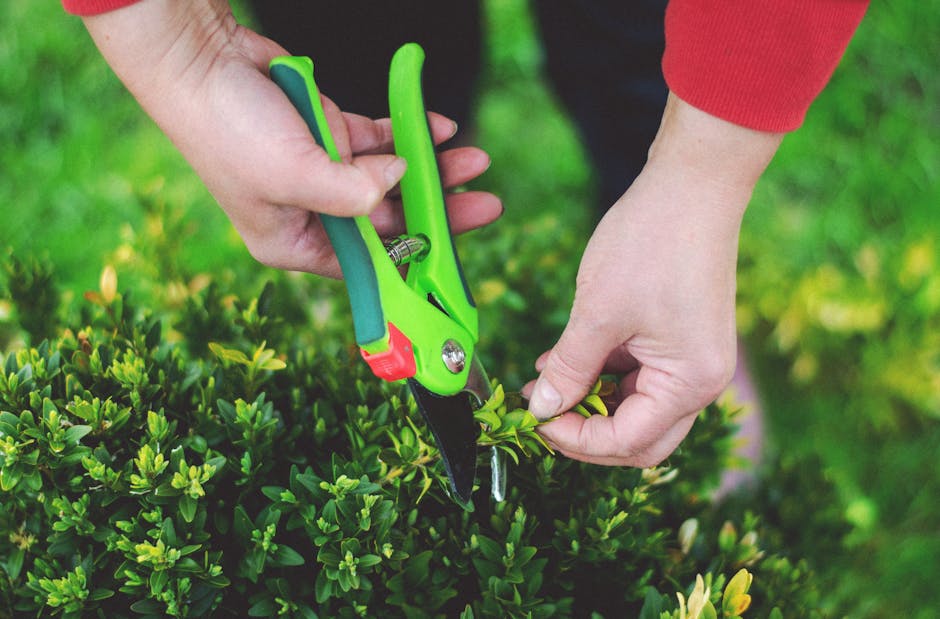
- Hand shears and secateurs: useful for small shaping jobs and dead growth.
- Rake and stiff broom: ideal for leaves, loose debris, and general tidy-ups.
- Spade or border fork: helps when lifting weeds or refreshing beds.
- Gloves and sturdy footwear: basic, yes, but they stop small jobs becoming annoying jobs.
- Wheelbarrow or tubs: helpful if green waste needs moving quickly.
If you are keen to keep costs down, a few small habits help. Reusing household items for planting and propagation, for example, can cut down on clutter and reduce the need for bought containers. There is a practical side to that, not just an eco-friendly one. You can also read about ways to reuse household items for gardening if you like making the garden work with what you already have.
For people who want a better-looking garden without committing to expensive redesigns, low-maintenance features can be very effective. Ground cover plants reduce bare soil. Evergreen climbers soften fences. Careful seating layouts make the garden feel finished even if the planting is still evolving. One good example is elegant seating layouts, which can improve how the whole outdoor space is used.
And if your outdoor space is small, vertical greenery can create impact without multiplying maintenance costs. Sometimes the smartest move is not adding more garden, but choosing better structure.
Law, Compliance, Standards, or Best Practice
For most ordinary domestic garden maintenance, the key concerns are safety, professional conduct, and responsible waste handling. There is no need to make it mysterious. Good practice usually means clear communication, suitable equipment, and sensible care around property and people.
In the UK, reputable gardeners typically work with public liability insurance, follow safe working methods, and take care around ladders, cutting tools, and powered equipment. If a job involves tree work, the safety bar rises further. That is one reason tree-related tasks are often separated from general maintenance. It is not just about skill; it is about the right procedures and risk controls.
If waste is being removed, it should be handled properly and not dumped casually. That is basic professionalism, really. Green waste, bulky cuttings, and contaminated material all need different treatment. It is reasonable to ask how disposal is included in the price and what happens to the waste after the job.
You should also expect clear terms around payments, cancellations, and any extra charges for unexpected work. Pages such as terms and conditions, payment and security, and insurance and safety are the sort of things a careful customer checks before booking. That is not being difficult. It is being sensible.
For households that care about privacy and data handling when requesting a service, a clear privacy policy is part of the trust picture too. Likewise, if a provider outlines accessibility or complaints information, that usually signals a more organised business approach. Those details can matter when you want the relationship to feel straightforward rather than messy.
Options, Methods, or Comparison Table
Here is a straightforward comparison of the most common maintenance approaches. Exact pricing will vary, of course, but the differences in how they work are usually consistent.
| Maintenance option | Best for | Pros | Trade-offs |
|---|---|---|---|
| One-off tidy-up | Overgrown gardens, pre-sale prep, seasonal resets | Quick transformation, simple to arrange | Can be more expensive if the garden has been neglected |
| Regular weekly or fortnightly visits | Lawns, hedges, busy family gardens | Predictable, neat, usually more efficient over time | Requires ongoing commitment |
| Monthly maintenance | Smaller or slower-growing gardens | Budget-friendly, easy to plan | May not be enough for fast-growing areas in peak season |
| Seasonal visits | Light-touch gardens, planting-led spaces | Good for spring and autumn clearance | Not ideal if the garden needs constant mowing or pruning |
If you are deciding between these, ask one practical question: how fast does your garden change? A lawn in a shady, damp corner behaves very differently from a neat paved courtyard with a few pots. The right choice usually follows the growth rate, not the wishful thinking.
Case Study or Real-World Example
Imagine a typical Roehampton back garden: medium-sized, a little patchy on the lawn, a hedge along the boundary, a few beds that collect weeds, and a patio that gets slippery in wet weather. Nothing dramatic. Just normal life happening outside.
If left alone for three months, that garden may need a more expensive catch-up visit. The hedge has grown wider, the lawn has become uneven, the patio is starting to look dull, and the border weeds are competing with the plants. A gardener now needs to spend more time undoing the build-up before the space looks presentable again.
Now compare that with regular maintenance. A lighter visit every few weeks keeps the hedge manageable, the lawn tidy, and the patio swept. The same garden still needs care, obviously, but the work is spread out. That usually means fewer surprises and better value for the homeowner.
One client-style scenario we often see is someone who initially wants "just a quick tidy" and then realises the garden has four separate maintenance needs hiding inside one request. Lawn care, hedge trimming, weeding, and patio cleaning are related, but they are not the same job. Once those tasks are separated properly, the quote becomes clearer and the budget stops feeling so vague.
And that clarity is the real win. Not just a lower price, but a cleaner plan.
Practical Checklist
Use this before requesting or comparing garden maintenance in Roehampton:
- Walk the whole garden and note the visible problem areas.
- Decide whether you need a one-off tidy, regular maintenance, or both.
- List the tasks you want included: mowing, edging, hedge work, weeding, pruning, clearance, cleaning.
- Check whether waste removal is included.
- Look for access issues such as side gates, narrow passages, or limited parking.
- Think about seasonal timing and whether the garden is entering a growth spurt.
- Separate routine work from specialist work like tree surgery or fencing.
- Ask how the gardener handles insurance, safety, and payment terms.
- Consider whether a monthly or fortnightly plan would actually save money.
- Review the garden after the first visit and adjust the plan if needed.
Practical summary: the cheapest-looking quote is not always the cheapest garden. The best value is the one that matches your space, your growth rate, and your actual maintenance needs. Keep it simple, keep it regular, and you will usually spend less over time.
Conclusion
A realistic budget for Roehampton gardening is less about chasing the lowest number and more about understanding what your garden needs to stay manageable. A tidy lawn, a controlled hedge, clean paths, and healthy borders are easier to maintain when the work is planned rather than panic-driven. That is the heart of this guide.
If you remember only one thing, make it this: regular maintenance usually protects both your garden and your wallet. It keeps small tasks small. It keeps the space pleasant. And it helps you make smarter decisions about everything from planting to cleaning to bigger upgrades later on.
Take your time, compare like with like, and do not be shy about asking what is included. A good garden plan should feel calm, not confusing. And honestly, a calm garden is worth a lot.
Get a free quote today and see how much you can save.

Stan, renowned as an expert gardener, stands out as a proficient writer, aiding thousands of customers with their gardening requirements. His focus encompasses various topics related to gardening and landscaping.