Alton Estate gardeners trusted front garden makeovers
Posted on 11/11/2026
Alton Estate gardeners trusted front garden makeovers: a practical guide to better kerb appeal, easier upkeep and a warmer welcome
If your front garden feels tired, awkward, or simply unfinished, you are not alone. Many homes around Alton Estate have good bones but a front space that has never quite been pulled together. A thoughtful makeover can change that fast. With the right Alton Estate gardeners trusted front garden makeovers approach, you can turn a patchy, high-maintenance entrance into something neat, welcoming and genuinely useful.
Front gardens do more than look nice. They shape first impressions, affect how easy the home is to maintain, and often decide whether a space feels private, safe, or cluttered. In this guide, we will walk through how front garden makeovers work, what to expect, where people go wrong, and how to choose improvements that still look good six months later, not just on day one.
Practical summary: the best front garden makeover is rarely the fanciest one. It is the one that suits the property, the light, the traffic flow, and the amount of time you actually want to spend looking after it.
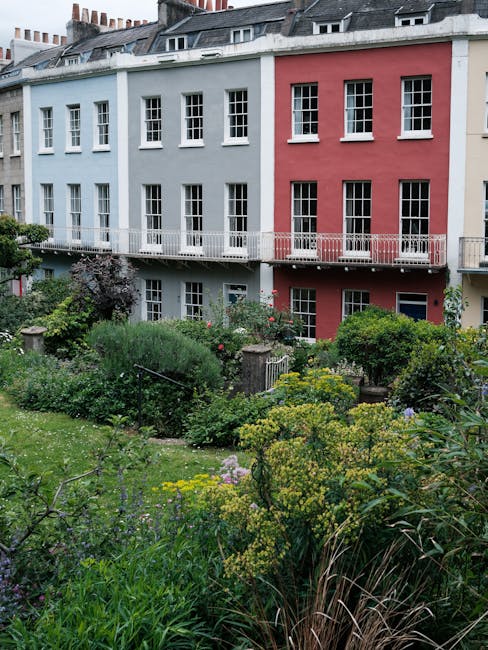
Why Alton Estate gardeners trusted front garden makeovers Matters
A front garden is often the most visible part of a home, yet it is also the one people neglect first. That is understandable. Back gardens get the attention because they are used for relaxing, eating, and entertaining. The front garden, by comparison, gets walked across, parked beside, or simply ignored until the weeds start winning. Truth be told, that is where a lot of kerb appeal disappears.
For homes in and around Alton Estate, the front garden can also be a practical space in its own right. It may need to deal with shade from nearby buildings, exposed wind, compacted soil, narrow access, or a small footprint that needs to do several jobs at once. A trusted front garden makeover is about reading those conditions properly rather than forcing a design that looks good in a catalogue but fails in real life.
Good makeovers also matter because the front of a property sets the tone. A tidy path, healthy planting, and clear edges make a place feel cared for. That feeling matters to visitors, neighbours, and, if you are being honest, to you every time you come home with shopping bags and the sky starting to spit rain.
To build the right result, many homeowners begin with wider planning and maintenance support from gardening services in Roehampton or a more ongoing approach through regular garden maintenance. Those services help transform a one-off tidy-up into something that actually lasts.
How Alton Estate gardeners trusted front garden makeovers Works
A strong front garden makeover usually follows a sequence, even if the finished result feels effortless. The first step is assessment. That means looking at what is already there, what is struggling, and what the space needs to do day to day. Is the garden mostly decorative? Does it need to be low-maintenance? Does it need more privacy? Is the soil poor or waterlogged? These are the questions that shape the whole plan.
Next comes the layout. This is where a gardener decides how people move through the space, where planting should sit, how much hard landscaping is needed, and whether any existing features should stay or go. A good layout usually improves structure before it adds colour. That order matters more than people think.
Then the practical work begins. Depending on the site, this may involve clearing overgrowth, pruning, edging, improving soil, installing borders, repairing fences, refreshing a lawn, or adding containers and climbers. If you are dealing with overgrown boundaries, a trusted local team may suggest hedge trimming in Roehampton or more specific support such as fencing work when privacy or boundary definition is part of the brief.
Finally, the garden is refined. This is the stage that turns a functional space into a polished one: mulch goes down, plant heights are balanced, surfaces are cleaned, and the entrance begins to feel finished rather than temporary. A lot of people stop too early. That final 10% is often what makes the whole project feel trustworthy.
If your front garden includes paving or a tired approach path, combining planting with patio cleaning can make a surprising difference. The planting looks better when the surfaces around it no longer look grey and stained. A small detail, yes. But it changes the mood.
Key Benefits and Practical Advantages
Front garden makeovers deliver more than visual improvement. When done well, they solve everyday frustrations and reduce maintenance pressure. Here are the benefits homeowners usually notice first.
- Better kerb appeal: A clear, balanced front garden makes the whole property look better cared for.
- Easier upkeep: Good design reduces the number of awkward corners where weeds collect and jobs pile up.
- Improved privacy: Layered hedges, climbers, and fencing can soften views from the street without making the home feel closed in.
- Safer access: Clear paths, stable surfaces, and sensible planting improve the everyday flow in and out of the house.
- More useful space: Even a small front garden can hold planters, seating, a bin screen, or bike storage when planned carefully.
- Seasonal interest: A mix of structure plants and long-lasting perennials keeps the garden interesting year-round, not just in spring.
There is also a mental benefit people do not always expect. A tidy, well-planted front entrance can make the day feel calmer. You notice it when you unlock the door in the evening and the space actually looks welcoming. Not dramatic. Just quietly better.
For compact spaces, the right plants and arrangements are key. Ideas from vertical gardening and container gardening can add greenery without overcrowding the entrance.
Who This Is For and When It Makes Sense
This kind of makeover suits more people than you might think. It is not only for homeowners preparing to sell, although that is a common reason. It also makes sense if the current garden feels messy, the planting has failed, or the space is simply not working with your routine.
You may be a good fit for a front garden makeover if:
- the garden looks sparse, overgrown, or uneven;
- you want more privacy but do not want to block all light;
- the front space is small and needs a smarter layout;
- you are tired of constant weeding or patchy grass;
- the entrance feels dull and you want a more welcoming first impression;
- you need a low-maintenance scheme because you are busy, away often, or not keen on gardening chores.
It also makes sense after a few common turning points: a new driveway, a boundary change, a fresh coat of paint on the house, or a period where the old planting has simply given up. Let's face it, once one corner starts looking neglected, the rest tends to follow. It happens.
Families often ask for front gardens that are practical as well as attractive. If that sounds familiar, it can help to explore ideas for a child-friendly retreat or a space that remains safe and manageable for pets, especially when movement and visibility matter.
People with limited time usually benefit from simple, durable planting rather than high-detail designs. A well-chosen hedge, a few strong shrubs, and clean edging often outperform a complicated scheme that needs weekly attention. Sometimes simple is the clever answer, even if it feels a bit unglamorous at first.
Step-by-Step Guidance
If you are planning a front garden transformation, a phased approach usually gives the best result. Here is the process most experienced gardeners follow, adapted to the realities of small urban and suburban front spaces.
- Assess the space honestly. Look at sunlight, shade, drainage, soil condition, street visibility, and the amount of space people actually need to walk through.
- Decide the purpose. Do you want privacy, colour, low maintenance, better access, or all four? Pick the top two priorities first.
- Clear the clutter. Remove dead plants, broken pots, weeds, loose debris, and anything that makes the space feel more crowded than it is.
- Repair structure before planting. Fix edging, boundary issues, loose paving, tired fencing, or damaged steps before you spend money on plants.
- Improve the soil. In many front gardens, the soil is compacted or exhausted. Refreshing it with compost or organic matter can make a huge difference to plant success.
- Choose the right planting style. Use shrubs, hedges, climbers, ground cover, or containers based on space and maintenance needs.
- Add definition. Clean lines matter. Borders, edging, repeated plant shapes, and consistent materials create calm rather than visual noise.
- Finish with maintenance planning. A makeover without aftercare is just a short-lived moment. Agree a simple routine for trimming, watering, weeding, and seasonal checks.
If you want a bit more confidence before starting, the guide initial steps for revamping a garden is a useful companion piece. It helps frame the work in the right order, which is often half the battle.
For many homeowners, a front garden makeover also includes lawn renovation or removal. If the grass is patchy and not really serving a purpose, it may be better to slim it down, re-edge it, or swap part of it for planting. That decision depends on how the space is used, not on habit.
Expert Tips for Better Results
Here is where a trusted gardener often saves you from common regrets. The best-looking front gardens usually rely on restraint, repetition, and a clear eye for scale.
- Use fewer plant types, but use them well. Repeating a handful of plants often looks more polished than mixing too many species.
- Prioritise evergreen structure. Front gardens need to look composed in winter too. This is where evergreen shrubs, hedges, and climbers earn their keep.
- Think in layers. Low ground cover, medium-height planting, and taller anchors create depth without clutter.
- Keep edges clean. A crisp border or path line makes the whole garden feel intentional. It is an unglamorous job, but a powerful one.
- Plan for growth, not just day one. Tiny plants look neat in week one and awkward in year two if they were placed too tightly.
- Use containers where soil is poor. Pots and planters can add instant lift while giving flexibility. They are especially handy near entrances and steps.
For privacy, a layered approach often works better than a single tall barrier. A hedge, for example, can be paired with screening plants or climbers. The article on growing hedges for faster privacy is a strong fit when you want screening without making the garden feel boxed in.
If your garden is windy or exposed, choose plants and structures that can handle the conditions instead of fighting them. There is no point choosing a delicate design if the front path turns into a wind tunnel every other week. Better to work with the site. Much better.
For shady corners, climbers and shade-tolerant planting can soften hard surfaces. The guide to evergreen climbers for darkened nooks offers ideas that suit awkward front aspects where brightness is limited.
Common Mistakes to Avoid
Front garden makeovers go wrong for surprisingly ordinary reasons. Most of them are avoidable, which is the annoying part, really.
- Overfilling the space: Too many plants, ornaments, or materials make small front gardens feel cramped.
- Ignoring maintenance: A design that needs constant pruning will not stay attractive for long unless that level of care is realistic.
- Choosing the wrong plants for shade or exposure: If the front of the house is dry, windy, or shaded, plant choice matters more than style.
- Leaving weeds and old roots behind: Surface tidying is not enough if the root causes remain in the soil.
- Forgetting proportions: A large shrub near a narrow path can quickly become a nuisance.
- Skipping the hard landscaping: Borders and planting look weak if the paving, edging, or fence line is already failing.
One of the most common mistakes is trying to make every part of the space do everything. A front garden does not need to be a miniature park, a privacy screen, a wildlife haven, and a show garden all at once. Sometimes it can be two of those things and still be excellent.
Another pitfall is trying to save too much material. A tired hedge, for example, can be worth reshaping or replacing rather than endlessly patched. If that sounds familiar, see the practical advice in removing invasive ivy permanently and related boundary-cleanup work. Ivy and similar growers can quietly take over before you realise it.
Tools, Resources and Recommendations
Homeowners do not need to own a full van of equipment to improve a front garden, but a few well-chosen tools make the job smoother. In our experience, a modest kit handled properly is worth more than five gadgets bought on impulse and forgotten in the shed.
Useful tools
- secateurs for light pruning and deadheading;
- loppers for thicker stems and awkward cuts;
- garden fork or spade for soil improvement;
- stiff broom for clearing paths and borders;
- hand trowel for planting and pot work;
- edging tool for crisp borders;
- watering can or hose for new planting;
- gloves and sturdy footwear, because front gardens can hide all sorts of little hazards.
Helpful resources and service areas
If your project needs broader support, it can help to combine makeover work with specialist services such as landscaping, lawn care, or even tree surgery where overgrown trees are affecting light and space. Those are the kinds of jobs that change the whole feel of a front garden, not just the look of a single bed.
For ongoing upkeep, garden maintenance in Roehampton can keep the result neat after the makeover is complete. That is often the difference between a short-lived refresh and a front garden that stays presentable all year.
If you are trying to keep the project affordable, it may be worth reading about budget-friendly gardening ideas and even using a few of the suggestions from reusing household items for gardening. Not every smart upgrade has to be expensive. A repurposed container or salvaged planter can add character without looking cheap.
Law, Compliance, Standards, or Best Practice
For most front garden makeovers, the main compliance issues are practical rather than legal, but a few standards of care are worth keeping in mind. If the work affects boundaries, drainage, access paths, or trees, it is sensible to proceed carefully and with proper planning.
In the UK, homeowners usually need to be mindful of access, neighbour relationships, waste disposal, and any local rules that affect alterations close to pavements or shared boundaries. If a hedge, fence, or wall is involved, it is wise to confirm ownership and avoid assumptions. That kind of mistake can create more stress than the garden itself.
Best practice also matters for safety and quality. Reputable gardeners should work with sensible risk awareness, use appropriate PPE, and avoid leaving trip hazards or unstable materials near entrances. For customers, checking that a contractor has clear policies on safety and insurance is just common sense. It should not be awkward to ask.
Useful trust pages for reviewing a provider's approach include insurance and safety, health and safety policy, terms and conditions, payment and security, and privacy policy. If you want to understand how a business handles queries or concerns, the complaints procedure and accessibility statement are also useful signs of a properly run site.
One more thing: if your project includes waste removal or the re-use of material, make sure it is handled responsibly. A tidy job should not leave you with a hidden mess behind the bins. That is the opposite of a makeover, frankly.
Options, Methods, or Comparison Table
Different front gardens need different approaches. The best method depends on the property, the budget, and how much maintenance you are willing to take on. Here is a simple comparison that helps narrow things down.
| Approach | Best for | Pros | Trade-offs |
|---|---|---|---|
| Plant-led refresh | Homes that already have decent paths and boundaries | Natural look, lower cost, flexible, easy to soften hard edges | Needs some watering and seasonal care |
| Hardscape-led makeover | Front gardens with poor layout or damaged surfaces | Strong structure, safer access, cleaner finish | Can feel stark if planting is forgotten |
| Privacy-led scheme | Homes overlooked from the street | Improves comfort, adds screening, feels more settled | Requires careful plant selection to avoid over-shading |
| Low-maintenance scheme | Busy households and rental properties | Simple upkeep, neat year-round structure | Less seasonal variety unless planned well |
| Container and accent scheme | Very small front gardens or paved entrances | Fast visual impact, easy to swap, suits awkward spaces | Pots need watering and occasional replacement |
For many homes, the best answer is a mix of plant-led and hardscape-led ideas. That way the garden looks structured but not severe. If the area is compact, the article on ground cover picks for UK gardens can be especially useful because good ground cover reduces bare soil, tidies edges, and helps with weed suppression.
In a few situations, the garden also needs its surfaces and structure refreshed alongside the planting. A simple fence repair, a better seating corner, or a cleaned pathway can unlock the whole design. And yes, sometimes the simplest upgrade is the one people notice most.
Case Study or Real-World Example
Here is a realistic example from the kind of project that comes up often. A small front garden had a tired lawn, patchy borders, and one overgrown shrub blocking the view from the path. The homeowner wanted it to feel brighter and less cluttered, but they did not want a full redesign or a high-maintenance planting scheme.
The first move was removal. Dead growth came out, the shrub was reduced in size, and the edge of the path was cleaned properly. Then the soil was improved in the beds, which mattered because the ground had become compacted over time. The space then got a simple structure: two evergreen anchor plants, some lower ground cover, and a pair of containers near the entrance for seasonal colour.
The finished effect was not dramatic in the flashy sense. It was better than that. The entrance looked calmer, the path felt wider, and the front of the home finally matched the care the owners already put into the rest of the house. On a dull winter afternoon, it still looked composed. That is usually the real test.
For the practical finishing touches, the gardeners also checked the boundary line and suggested a neater screen for one exposed corner. The result felt private without becoming shut in. If there is one lesson here, it is that front garden makeovers work best when every decision supports the way the space is used, not just the way it appears in a photo.
Practical Checklist
Use this checklist before you start, or before you approve a design:
- Have the main goal been chosen: privacy, kerb appeal, low maintenance, or access?
- Have sunlight, shade, wind, and drainage been checked?
- Are any broken paths, borders, fences, or steps being dealt with first?
- Has the soil been assessed for compaction or poor quality?
- Are the chosen plants suitable for the site conditions?
- Will the planting still look good in winter?
- Is the garden easy to walk through and maintain?
- Are weeds, old roots, or invasive plants properly removed?
- Is there a simple maintenance plan after the makeover?
- Have safety, insurance, and payment details been confirmed if hiring a professional?
Quick expert reminder: if a front garden still looks awkward after a makeover, the issue is often not the plants. It is usually scale, structure, or maintenance rhythm. Those are the bits worth revisiting first.
Conclusion
A front garden makeover should do more than freshen up the entrance for a week or two. It should make the property easier to live with, calmer to look at, and more welcoming every time you come home. That is what trusted local garden work is really for: practical beauty, built around real life.
Whether your space needs clearer structure, better planting, privacy, or a simpler low-maintenance layout, the best results come from a measured plan and a steady hand. Start with the conditions, choose the right materials, and do not underestimate the value of clean lines and proper aftercare. The humble front garden can carry a lot more weight than people think.
If you are ready to improve kerb appeal and make the entrance feel cared for again, now is a sensible time to begin the conversation.
Get a free quote today and see how much you can save.
Sometimes the smallest patch of ground says the most about a home. Give it the attention it deserves, and it gives that feeling back every single day.

Stan, renowned as an expert gardener, stands out as a proficient writer, aiding thousands of customers with their gardening requirements. His focus encompasses various topics related to gardening and landscaping.